What is the FORTIFIED Program? The FORTIFIED program is a comprehensive initiative designed to enhance the resilience of homes against the increasingly severe impacts of natural disasters. Launched by the Insurance Institute for Business & Home Safety (IBHS), this program represents a significant shift in how we approach home construction and renovations. Traditional building codes often fall short in addressing the specific vulnerabilities posed by extreme weather, making the FORTIFIED program a crucial resource for homeowners, builders, and insurers alike. As natural disasters become more frequent and severe due to climate change, understanding and implementing the FORTIFIED standards can be a game changer for property protection.
The
FORTIFIED program is run by the Insurance Institute for Business & Home Safety (IBHS). It’s a voluntary construction and reroofing standard that aims to go
beyond typical building codes — specifically to better protect homes against severe weather like high winds, hurricanes, hail, and more. The program focuses on risk reduction and has been effective in multiple case studies where homes with FORTIFIED roofs have demonstrated significantly lower damage during storms. For instance, homes built to FORTIFIED standards in hurricane-prone areas have shown impressive resilience, with many sustaining minimal damage compared to conventional homes during recent storms. A notable case is the 2018 Hurricane Michael, where homes adhering to FORTIFIED standards reported damage rates significantly lower than those that did not.
Homes built or roofed under FORTIFIED standards must meet specific requirements for materials and installation methods. An independent evaluator must verify that everything was done correctly, and once verified, the home can receive a
FORTIFIED designation that lasts for 5 years, requiring inspection and renewal to ensure continued compliance with the standards. This ongoing evaluation process is vital for maintaining the integrity and effectiveness of FORTIFIED homes, ensuring they remain equipped to handle future storms and severe weather events. Regular maintenance and inspections not only help in adhering to these standards but also serve to educate homeowners on preventative measures.
In addition to providing enhanced protection, the FORTIFIED program also offers financial benefits for homeowners. Insurance companies often provide discounts on premiums for homes that meet FORTIFIED standards, recognizing the reduced risk associated with these resilient structures. Furthermore, the program encourages homeowners to invest in preventive measures that can save them money in the long run, both in terms of repair costs and insurance premiums. For example, a homeowner may save up to 20% on their insurance premium by simply adhering to FORTIFIED guidelines, making it a financially savvy choice.
Moreover, the FORTIFIED program serves as an educational tool, informing homeowners about the best practices for protecting their properties. By understanding the importance of selecting high-quality materials and employing skilled professionals for installation, homeowners can make informed decisions that contribute to the longevity and safety of their homes. The program emphasizes the significance of community awareness and engagement, encouraging neighborhoods to collaborate in enhancing overall resilience. Workshops and training sessions are often held to ensure that these best practices are shared across communities.
As climate change continues to escalate the frequency and intensity of severe weather events, the FORTIFIED program stands out as a proactive approach to safeguarding homes and communities. It represents a collective effort to adapt to our changing environment while ensuring that families can remain safe and secure in their homes. The program not only addresses immediate concerns but also fosters a culture of preparedness and resilience that is essential for the future. Engaging with local government and community organizations can amplify these efforts, leading to broader initiatives that strengthen entire neighborhoods against the impacts of severe weather.
Additionally, the FORTIFIED program encourages collaboration among builders, architects, and engineers to refine construction techniques that adhere to FORTIFIED standards. This collaboration has led to innovations in materials used, such as impact-resistant windows and specialized shingles that can endure severe wind and rain. Homeowners are also advised to create emergency plans and disaster readiness kits, further enhancing their preparedness in the event of a natural disaster.
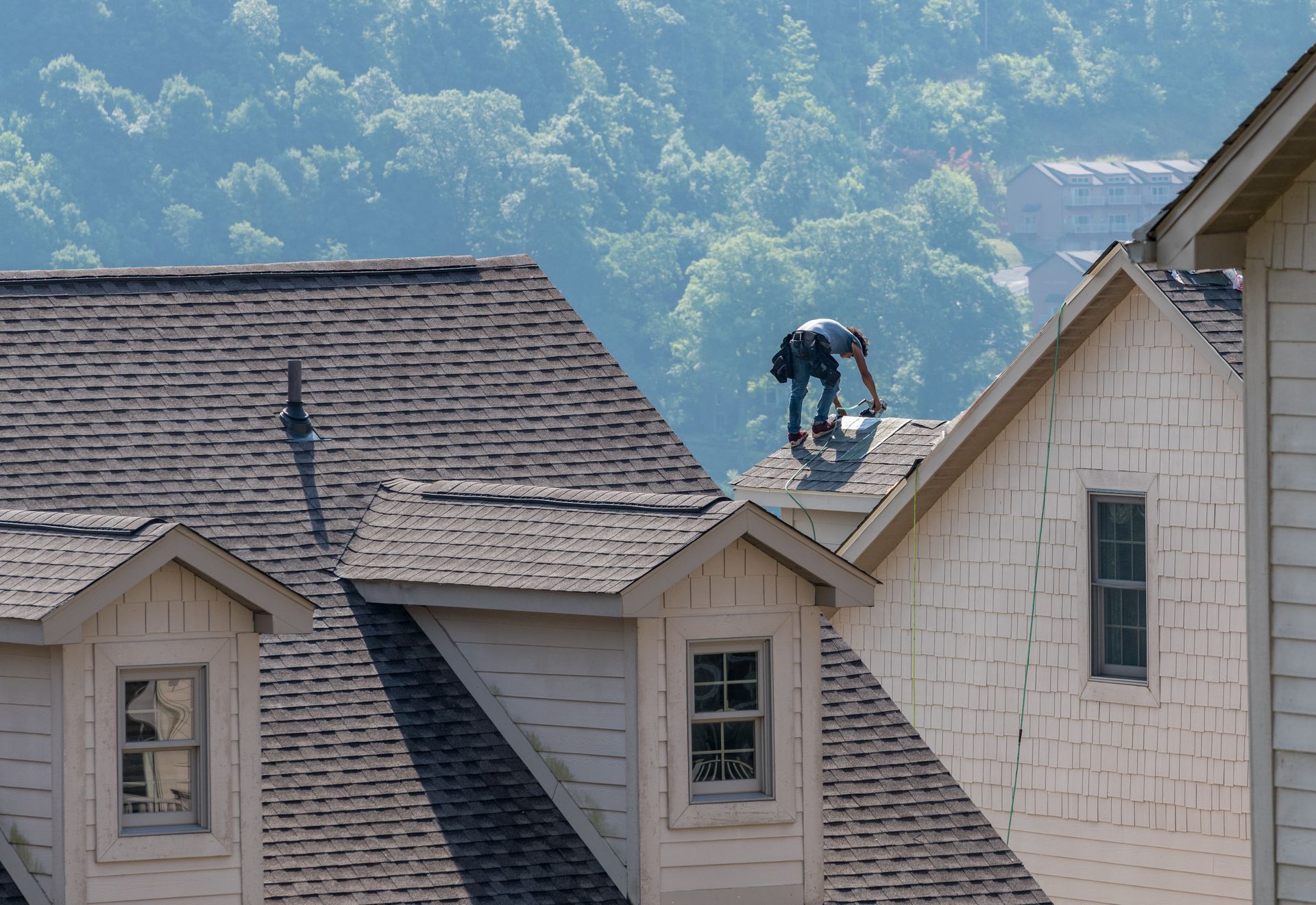
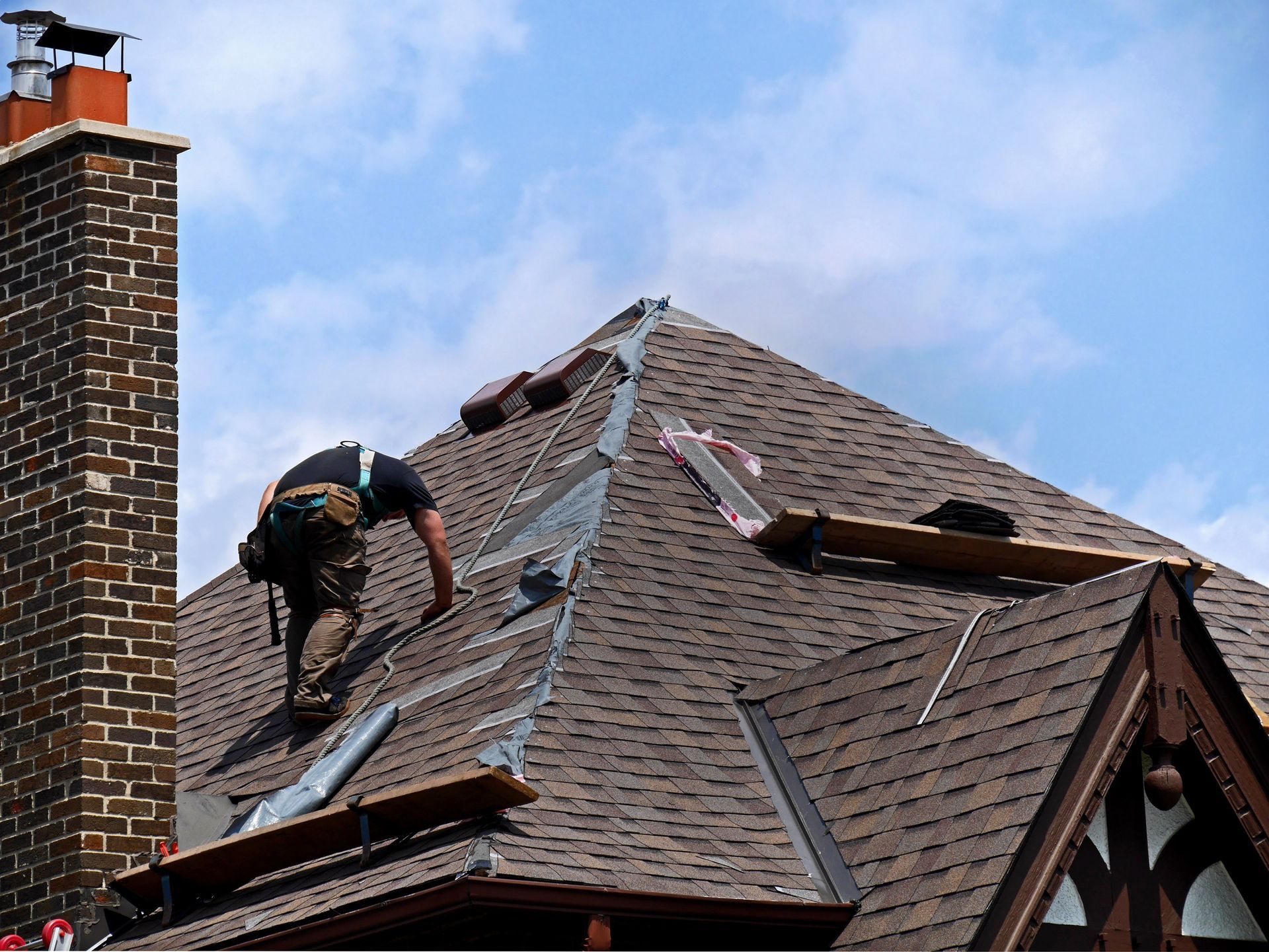
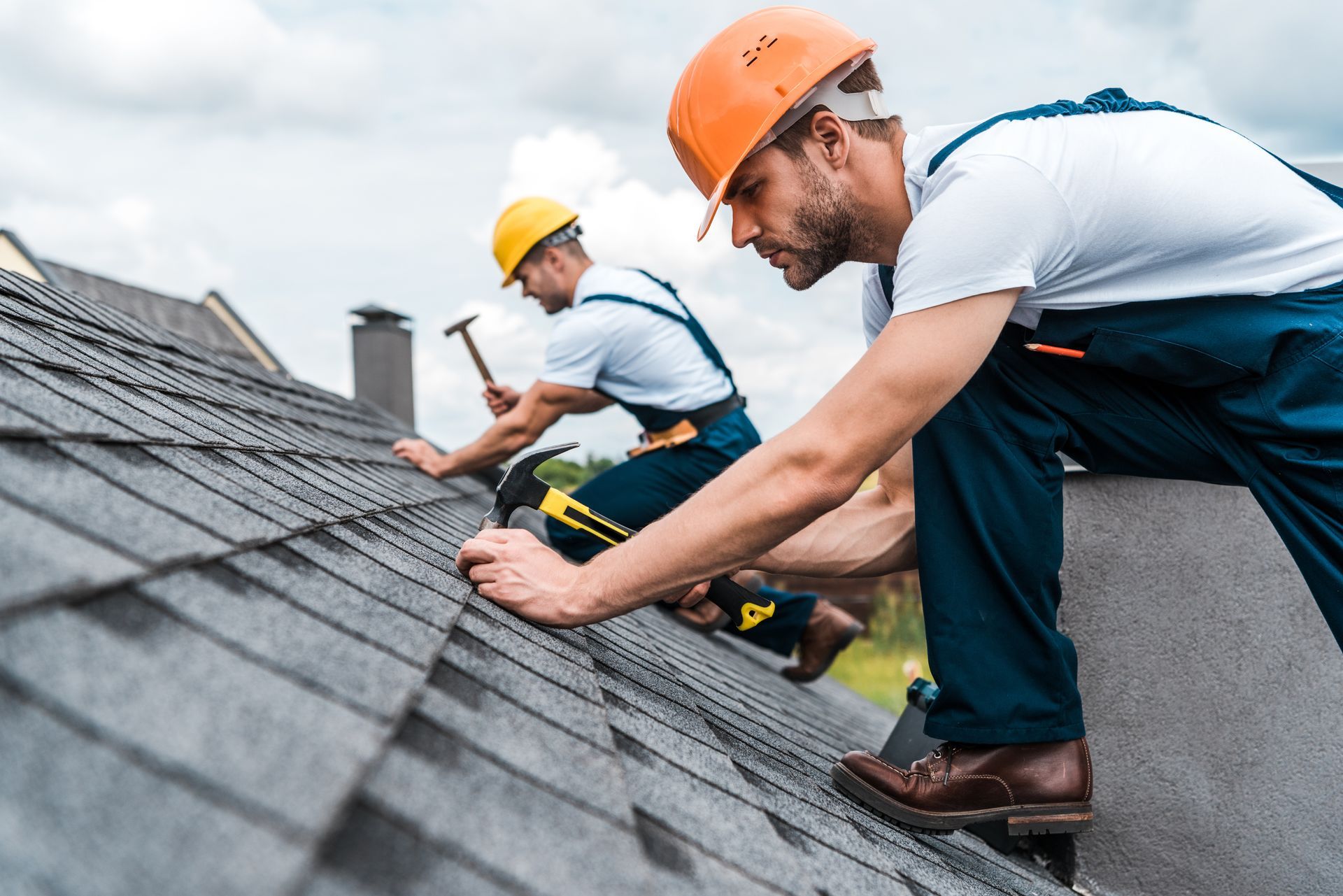
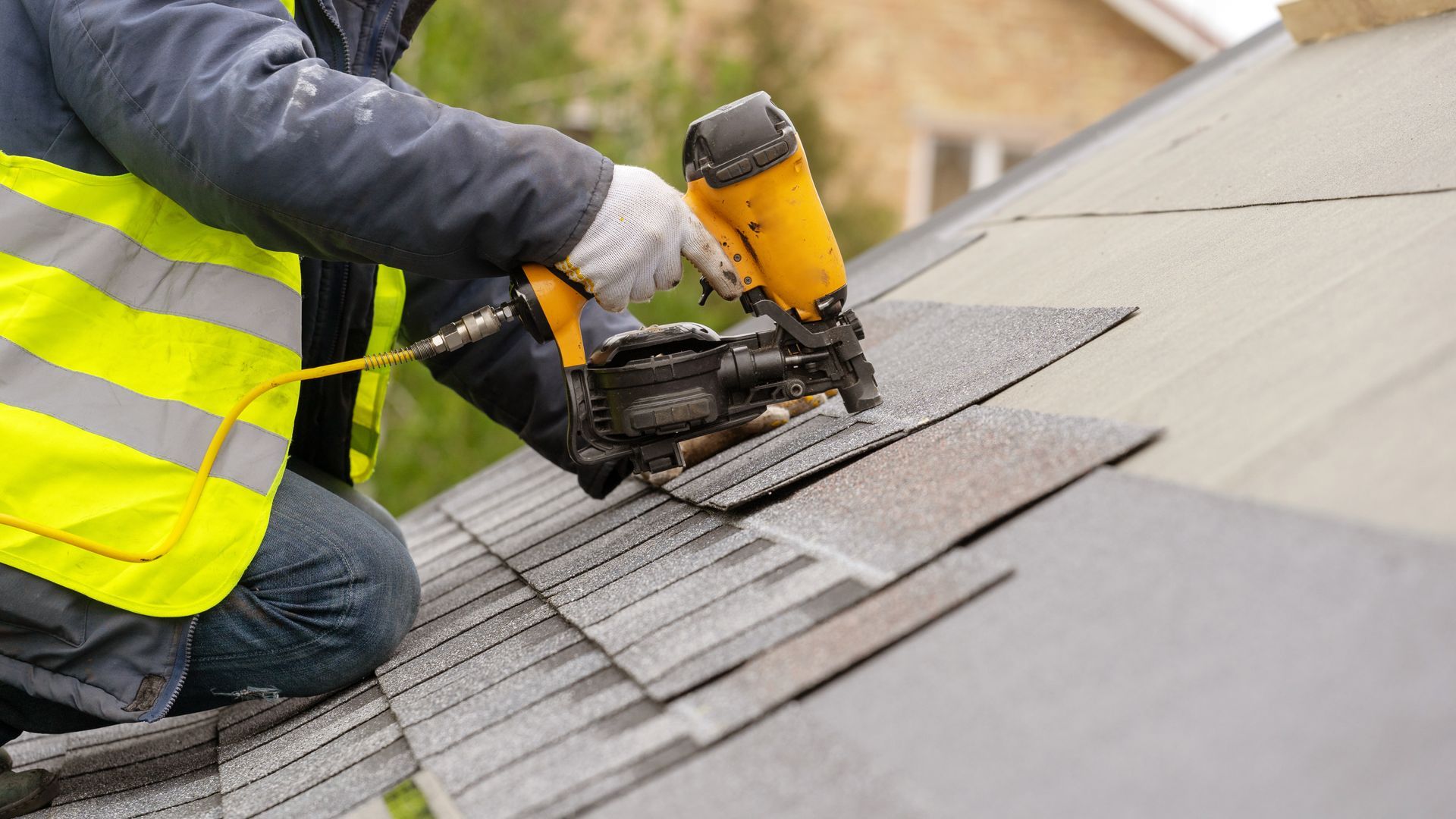
The FORTIFIED program is not just about adherence to building codes; it’s about setting new benchmarks in construction standards. For example, when constructing roofs that meet FORTIFIED standards, homeowners must consider the type of materials used. High-performance asphalt shingles, metal roofing, and impact-resistant tiles are among the materials recommended for enhanced durability. Each material offers different levels of resistance to hail and wind, which can drastically affect the longevity of the roof and the safety of the home. Additionally, the installation techniques are equally important. Properly securing shingles and ensuring that roofs are adequately anchored to the structure can prevent catastrophic failures during severe weather events.
Furthermore, understanding the geographical risks associated with certain regions can greatly influence the application of FORTIFIED standards. In areas prone to hurricanes, for instance, the roof design should not only comply with FORTIFIED guidelines but also take into account local wind speeds and storm surge predictions. Homeowners can work with local building officials and architects to tailor their construction plans, ensuring that their homes are not only compliant but also optimized for specific threats based on their location.
Case studies are powerful testimonials to the effectiveness of the FORTIFIED program. For instance, after Hurricane Irma in 2017, many homes that had been built or retrofitted to FORTIFIED standards reported minimal damage. These homes, equipped with features such as reinforced roofs and impact-resistant windows, showcased the potential of the FORTIFIED program to withstand severe weather events. It’s these real-world examples that motivate other homeowners to invest in FORTIFIED standards, recognizing that while the initial costs might be higher, the long-term savings on repairs and insurance premiums can be substantial.
Moreover, the FORTIFIED program plays a crucial role in the broader conversation about climate resilience. As communities grapple with the implications of climate change, adopting rigorous building standards can provide not just individual protection but also promote community-wide resilience. Neighborhoods that collectively adopt FORTIFIED standards may experience reduced overall damage during disasters, leading to faster recovery times and lower insurance claims.
The educational aspect of the FORTIFIED program cannot be overlooked. By participating in the program, homeowners gain access to a wealth of information about construction best practices and the latest advancements in building materials. Workshops and seminars often organized by IBHS provide invaluable insights into how to enhance home safety and resilience. Families learn about the importance of regular maintenance checks, such as ensuring gutters are cleaned, and that trees are trimmed to prevent damage during storms.
Another significant advantage of the FORTIFIED program is its focus on sustainability. Homes that meet FORTIFIED standards often incorporate energy-efficient features, which not only help in reducing the carbon footprint but also contribute to lower utility bills. This dual focus on resilience and sustainability aligns with the growing trend of eco-friendly building practices, making FORTIFIED homes appealing to environmentally conscious consumers.
As technology continues to advance, the FORTIFIED program is likely to evolve as well. Innovations such as smart home technology can be integrated into FORTIFIED standards, allowing homeowners to monitor their properties more effectively during severe weather events. Real-time data on wind speeds and storm forecasts can empower homeowners to take immediate action to safeguard their homes, such as deploying storm shutters or activating backup power systems.
In conclusion, the FORTIFIED program is a vital resource for homeowners seeking to enhance their properties’ resilience against natural disasters. By adhering to its standards, they not only protect their homes but also contribute to a culture of preparedness and sustainability within their communities. As climate-related risks continue to grow, the proactive measures encouraged by the FORTIFIED program will be essential in ensuring the safety and security of families across the nation.